

World Wildlife Conservation Day (WWCD) 2025 reminds us to safeguard Africa’s endangered species by strengthening the communities that protect them. Safeguarding them requires the involvement of the people who share these wild spaces. This global message is precisely the essence of One Nature’s conservation ethos: ‘One People. One Planet. One Nature.’
When local communities can thrive sustainably, wildlife can survive safely. At One Nature, we view wildlife protection as a shared responsibility that begins with empowering those who live closest to the land. At the core of our eco-conscious hospitality model lies a meaningful investment in protecting our planet’s most fragile habitats and strengthening the livelihoods connected to them.
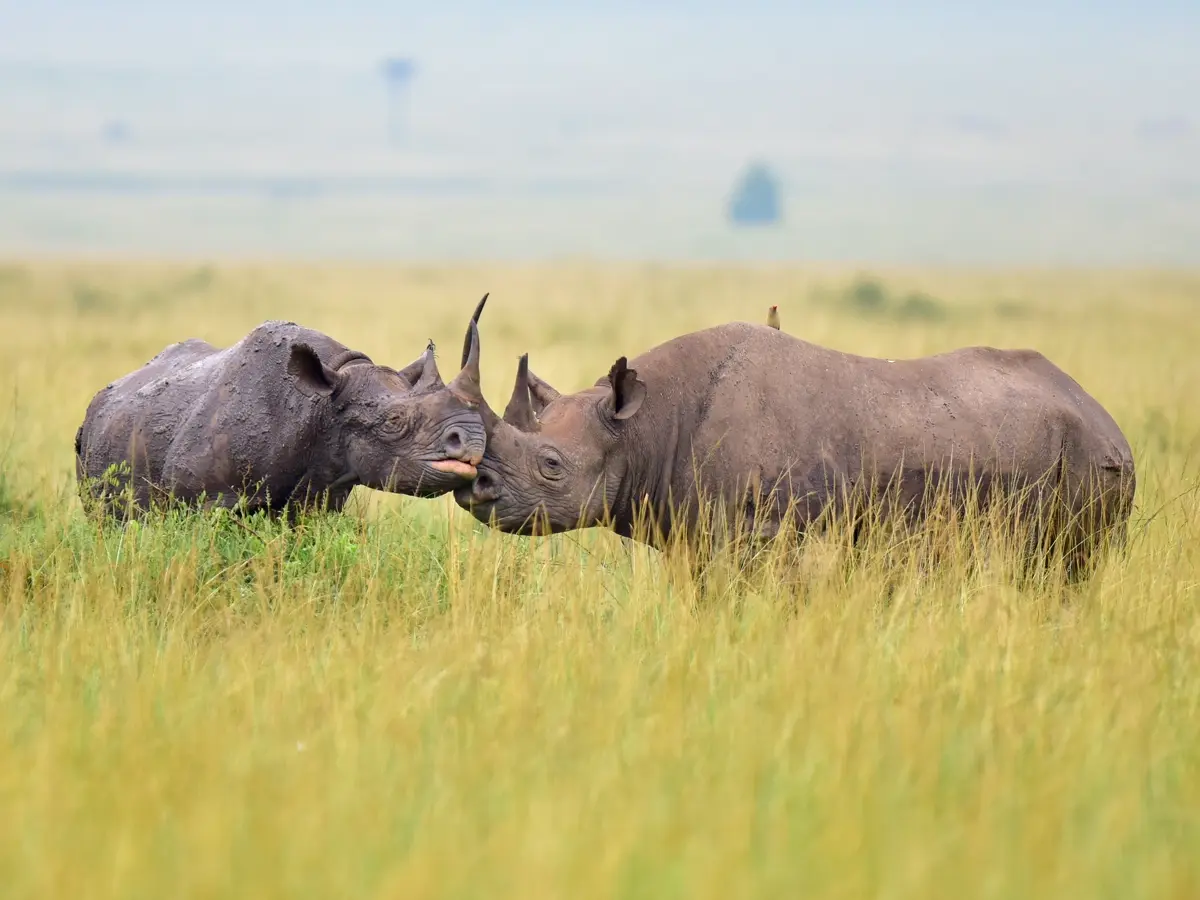
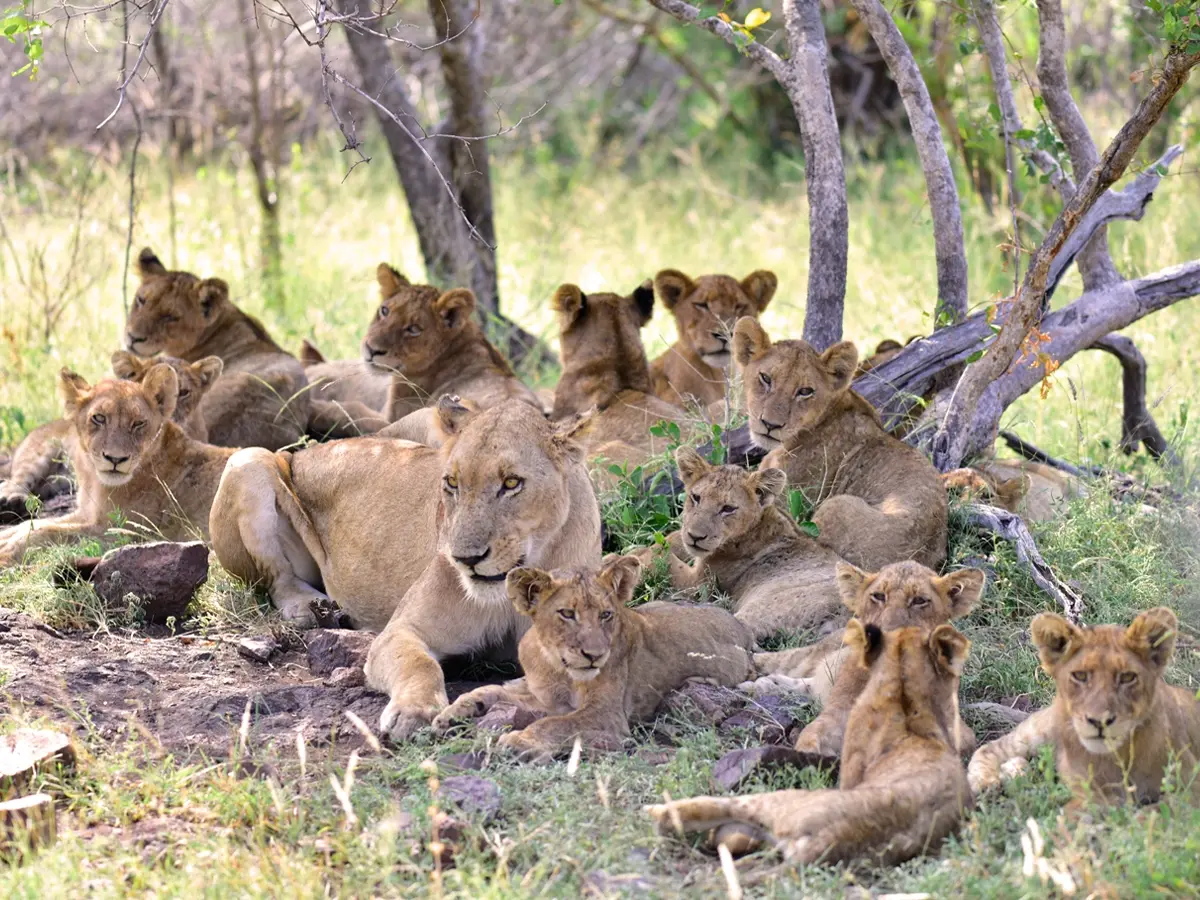
One of the most detrimental challenges to African species is the illegal wildlife trade, which is why WWCD advocates for proactive preservation. The Serengeti’s growing number of black rhinos and restoring lion populations demonstrate the strength of conservation and responsible safaris in Tanzania. One Nature is proud to support these endeavors that safeguard the species that constitute Africa’s natural heritage by financing wildlife protection.
One Nature funds on-ground anti-poaching operations and advocates for the total elimination of wildlife trafficking. Our support of the Serengeti De-Snaring Program, in collaboration with Tanzania National Parks (TANAPA), Serengeti National Park (SENAPA) Investors, and Frankfurt Zoological Society (FZS), has helped remove thousands of deadly wire traps that silently kill wildlife for bush-meat. Each snare removed can mean a life saved.
Since the initiative’s launch in April 2017, the project’s diligent and committed personnel have effectively removed, gathered, and melted more than 6 tons of snares from the Serengeti National Park region.
| 36,279 snares eliminated | 1,483 animals de-snared | 530 animals freed alive | 100-plus poacher camps discovered and destroyed |
| Conservation Priority | One Nature Action | Impact on Wildlife & Communities |
|---|---|---|
| Anti-Poaching Protection | Funding and support for Serengeti De-Snaring Program in Tanzania | Removes lethal snares, saves elephants, lions, antelope, and other species |
| Sustainable Community Livelihoods | Beekeeping, silkworm farming, skill training | Creates sustainable income, reduces pressure on wildlife and natural resources |
| Local Economic Empowerment | Partnerships with farmers and artisans; sourcing organic produce from nearby growers | Strengthens rural economies, links community prosperity to healthy ecosystems |
| Reforestation and Trees | Community-based tree planting and habitat restoration for wildlife corridor support | Restores degraded landscapes and supports biodiversity essential for migration and breeding |
| Clean Water Access | Solar-powered borehole project in the Serengeti region | Provides clean water, reduces water trucking and environmental strain |
| Responsible Operations | Solar energy, grey water reuse, biodegradable amenities, green procurement | Lowers carbon footprint, limits waste, protects fragile habitats |
| Protected Land Advocacy | Support for conservancy expansion | Secures more legally protected habitat for endangered wildlife |
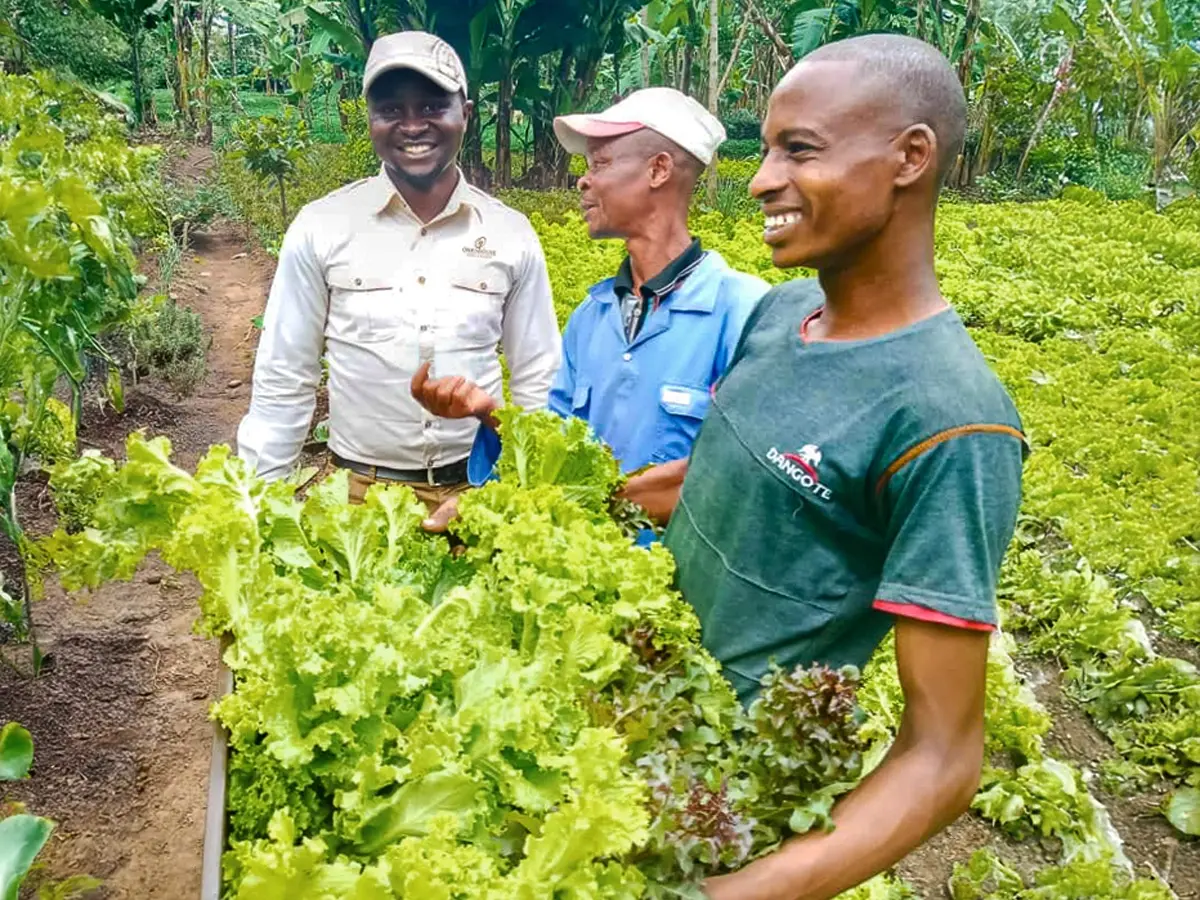
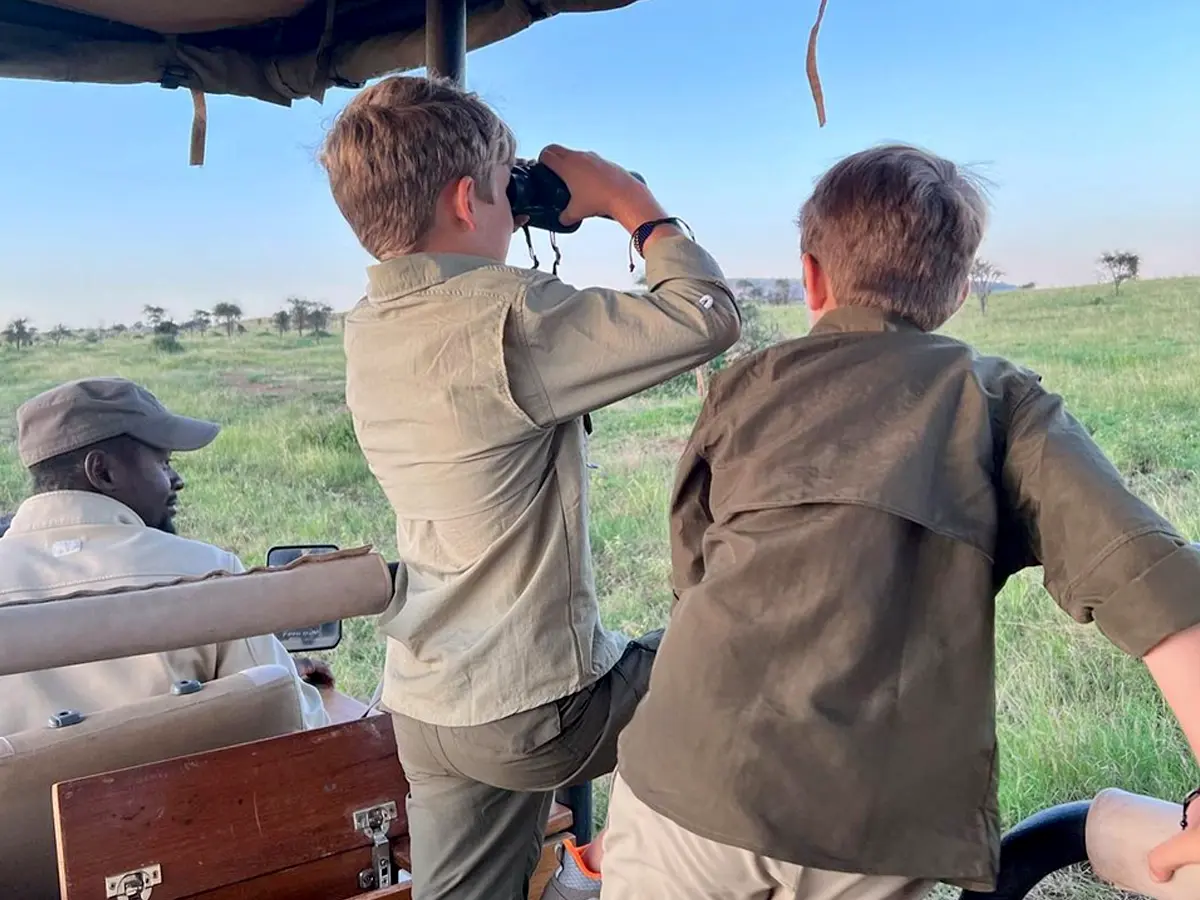
WWCD acknowledges that helping the communities that coexist with animals is essential to their protection. One Nature invests directly in the lives of local families. Our initiatives support education, health, clean water, green livelihoods, and sustainable income opportunities so that communities do not need to rely on harmful practices such as poaching or deforestation.
When communities gain dignified livelihoods, they defend nature as their own. This is how future generations inherit not only knowledge, but pride in conserving their land.
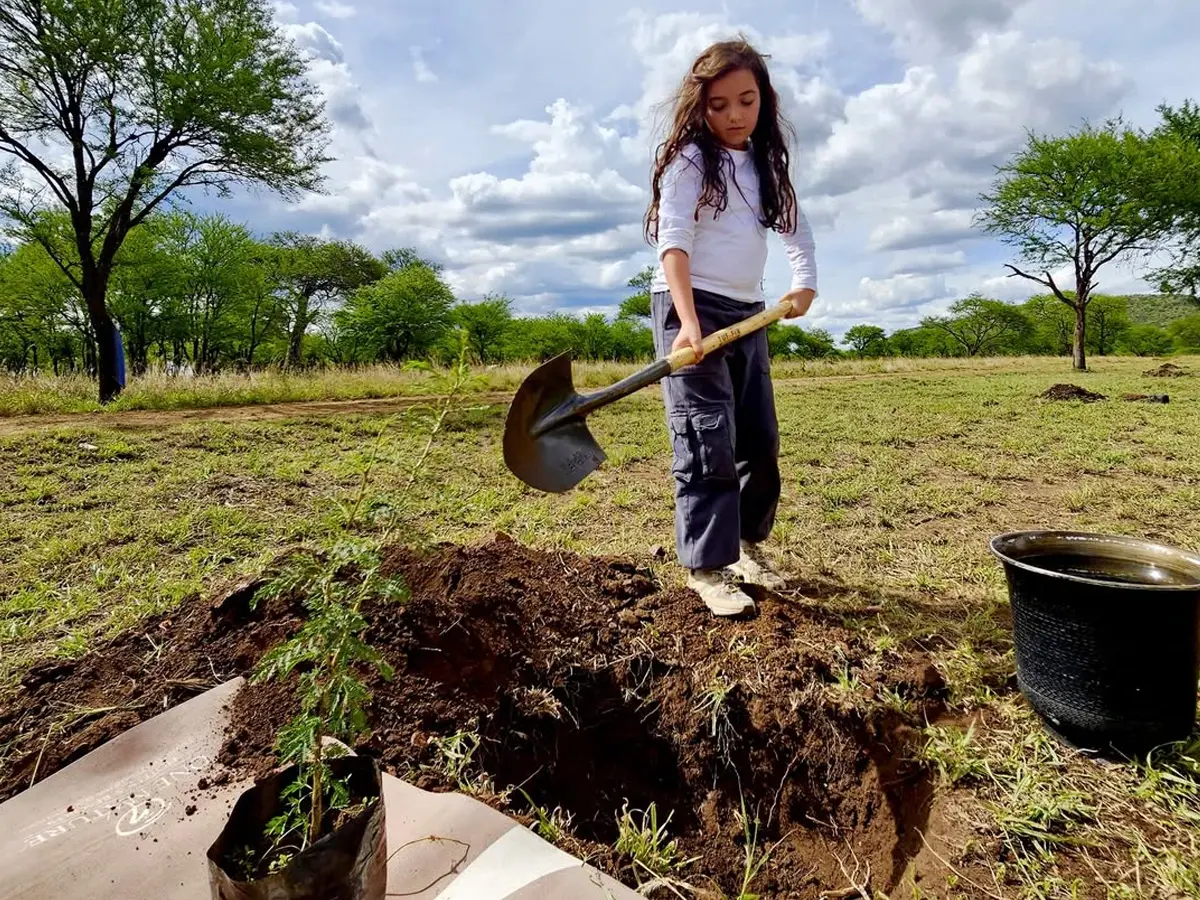
World Wildlife Conservation Day emphasizes that efforts to prevent poaching are just as important as maintaining healthy ecosystems. One Nature actively restores and regenerates nature through sustainable infrastructure and reforestation. From tree-planting drives that combat ecosystem erosion to expanding protected conservancy land, our focus is on creating stable, biodiverse environments where wildlife can thrive free from industrial exploitation. We have planted over 150 trees encompassing Yellow Bark, Falcon’s Claw Acacias, and more.
Our solar-powered borehole project provides renewable water for communities, lodges, and travelers within the region. This eliminates the damage caused by water trucking and safeguards access to clean water in fragile environments. Regeneration is not a promise but a system we build.
At One Nature, every material, product, and operation is carefully selected to protect biodiversity and reduce waste. Our sustainable procurement policy replaces synthetic consumer products with eco-friendly alternatives that are biodegradable, recyclable, or made from natural materials.
Our lodges operate on intelligent solar systems, our water is recycled responsibly, and our amenities exist to elevate comfort without harming ecosystems.
We believe that every guest is a future ambassador for the environment. By choosing to stay at One Nature, you support anti-poaching efforts, community empowerment, reforestation, and clean-energy initiatives. Your luxury Serengeti safari becomes more than a journey. It becomes a contribution that lasts beyond your stay.
The future of conservation is shared. It is not only the work of governments, organizations, or activists. It belongs to conscious travelers, empowered communities, protected landscapes, and brands that choose responsibility before profit.
On this World Wildlife Conservation Day, we renew our commitment to protect the wild, to support the people who defend it, and to nurture the planet we all share. At One Nature, we choose action. Together, we can keep the wild alive.